

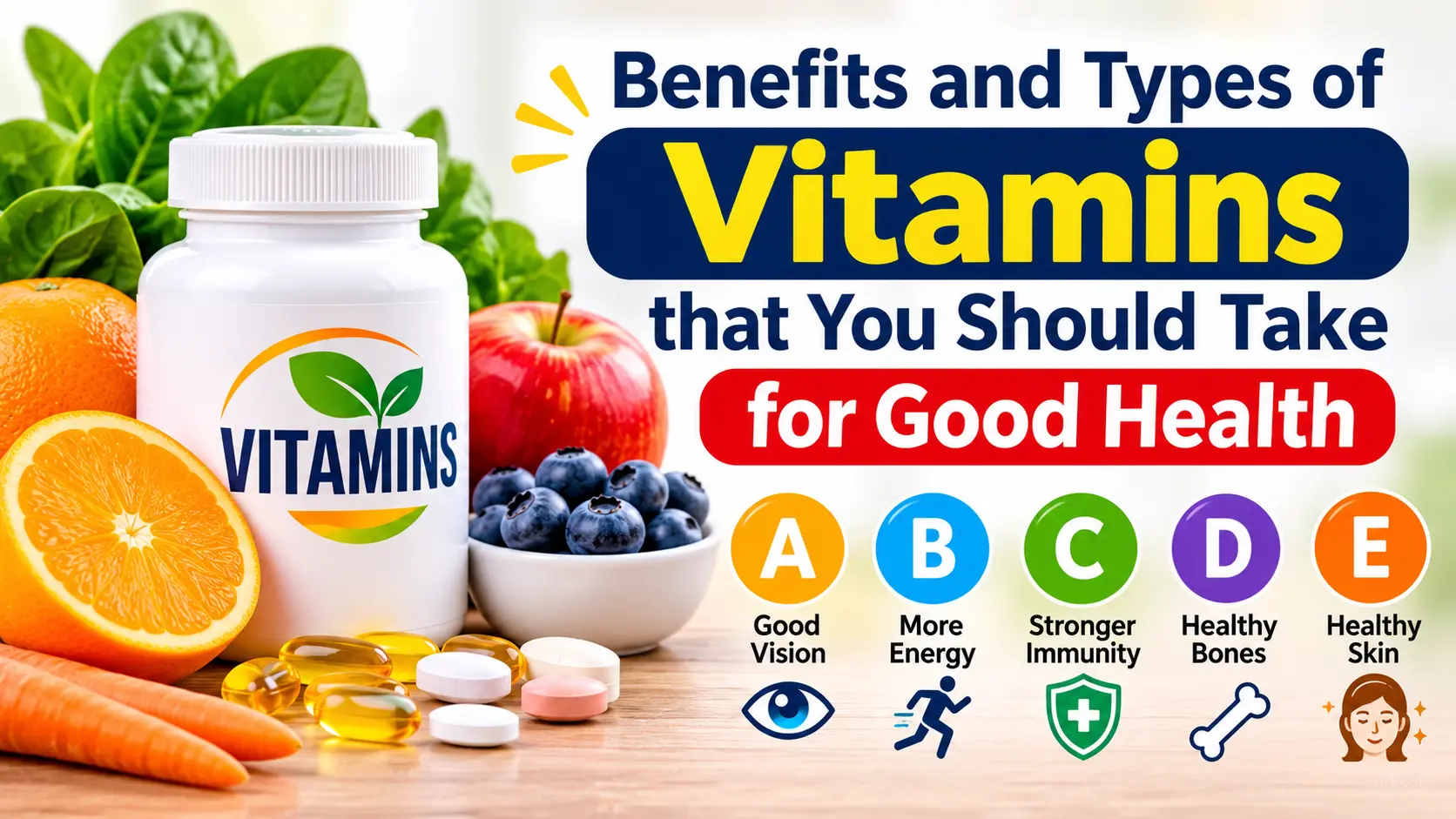
Good health is about much more than simply eating enough calories to get through the day. Your body relies on specific micronutrients to keep everything running behind the scenes. Knowing what each type of vitamin actually does takes the guesswork out of grocery shopping and meal planning. Working alongside other daily nutrients, a steady mix of vitamins and minerals repairs damaged cells, creates natural energy, and shields you from common illnesses. Once you understand how every type of vitamin supports your health, building a better diet becomes second nature.
Why Vitamins and Minerals Are Essential for Your Body
Even though you only need them in tiny amounts, vitamins and minerals handle hundreds of vital tasks every single day. Minerals come from the soil and water, helping strengthen your bones while keeping your body fluids balanced. Vitamins, on the other hand, are natural compounds found in plants and animals that turn your meals into usable fuel and keep your immune system sharp. When your daily meals miss out on an important type of vitamin, you will eventually feel it. Nutrition gaps can manifest as afternoon fatigue, frequent colds or other preventable health issues over time. Incorporating all kinds of vitamins into your weekly routine allows your body to function at its best.
The Two Main Categories of Vitamins
Nutritionists group the thirteen essential types of vitamins into two main categories depending on how your body absorbs, uses, and stores them.
Fat-Soluble Vitamins (A, D, E, and K)
Fat-soluble vitamins dissolve in dietary fat and stay stored in your liver and fatty tissues for months at a time. Because your body keeps a reserve of each fat-soluble type of vitamin, you do not have to eat them every single day. You do, however, need to pair them with healthy fats—like olive oil, avocado, or nuts—so your digestive tract can absorb them properly.
- Vitamin A: This type of vitamin keeps your eyesight sharp, supports healthy skin and cell growth, and strengthens your immune defenses. Carrots, sweet potatoes, and spinach are easy everyday sources.
- Vitamin D: Essential for bone strength, this vitamin helps your body absorb calcium while keeping your muscles and nerves working smoothly. Your skin makes it naturally when exposed to sunlight, and you can also get it from fortified milk and fatty fish.
- Vitamin E: Acting like a bodyguard for your cells, this nutrient protects them from everyday wear and tear. Almonds, sunflower seeds, and vegetable oils are packed with it.
- Vitamin K: Your body depends on this vitamin for proper blood clotting when you get a cut, as well as long-term bone health. Leafy greens like kale, spinach, and broccoli are great sources.
Water-Soluble Vitamins (Vitamin C and B-Complex)
Unlike fat-soluble nutrients, water-soluble vitamins dissolve in water and move through your bloodstream quickly. Because your body flushes out any extra amount of a water-soluble type of vitamin through urine, you need to top them up every day through the foods you eat.
- Vitamin C: Famous for supporting your immune system, this nutrient also helps cuts heal faster, keeps your skin firm, and helps you absorb iron from plant foods. Oranges, bell peppers, and strawberries are loaded with it.
- B-Complex Vitamins (B1, B2, B3, B5, B6, B7, B9, and B12): Every type of vitamin in the B-complex group teams up to turn carbohydrates, fats, and proteins into steady energy. TThey also help make red blood cells and help keep your brain and nerves working well. Good sources include whole grains, beans, eggs, and lean meats.
How to Incorporate the Right Vitamins and Minerals Into Your Routine
The simplest way to get every necessary type of vitamin is to fill your plate with colorful, whole foods. Fresh vegetables, fruits, lean proteins, and whole grains deliver vitamins and minerals in natural forms your body easily recognizes. Of course, hectic schedules, food allergies, or long winters with little sunshine can leave gaps in even the best diet. When your regular meals fall short on a specific type of vitamin, a quality supplement can help fill in the blanks. Just be sure to talk with a doctor first so you choose a safe, effective dose tailored to your needs.
Conclusion
Knowing how each type of vitamin feeds your body from the inside out is the first step to taking care of your health. A little strategic supplementation, combined with eating healthy foods, can give you a balanced mix of vitamins and minerals that will set you up for long-term energy and good health.
