Introduction
When it comes to safeguarding your belongings, vehicles, outdoor equipment, or construction materials, tarnplanen play a vital role. Known for their versatility and durability, these protective tarps have become a staple in homes, businesses, and industrial environments.
In this article, we will explore everything you need to know about tarnplanen, including their types, uses, materials, and tips to choose the right one for your needs.
What Are Tarnplanen?
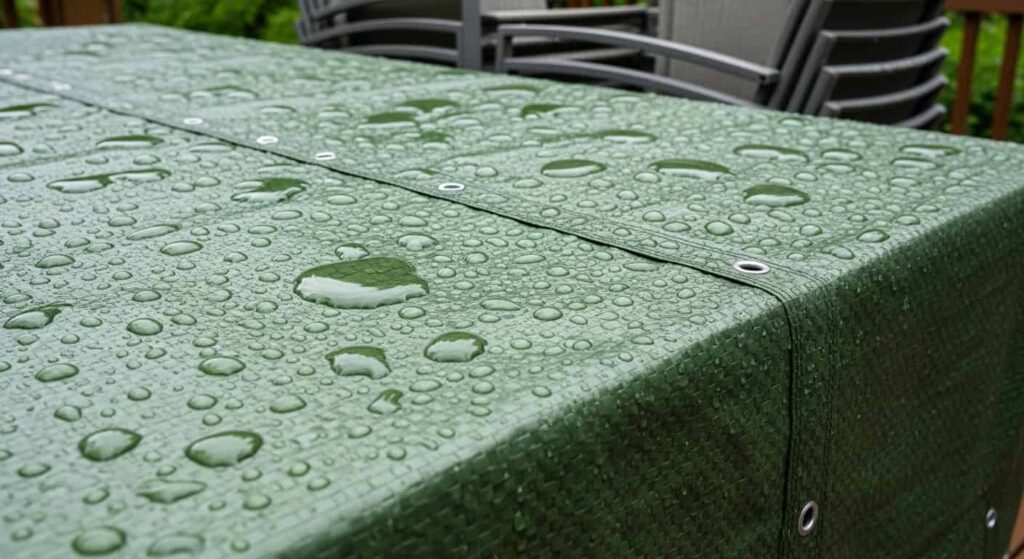
A tarnplanen is a type of heavy-duty protective sheet, usually made from waterproof and tear-resistant materials. Its primary purpose is to shield objects from weather conditions such as rain, snow, wind, and sunlight. While originally used in military and industrial contexts, tarnplanen have become widely used in everyday life due to their practical benefits.
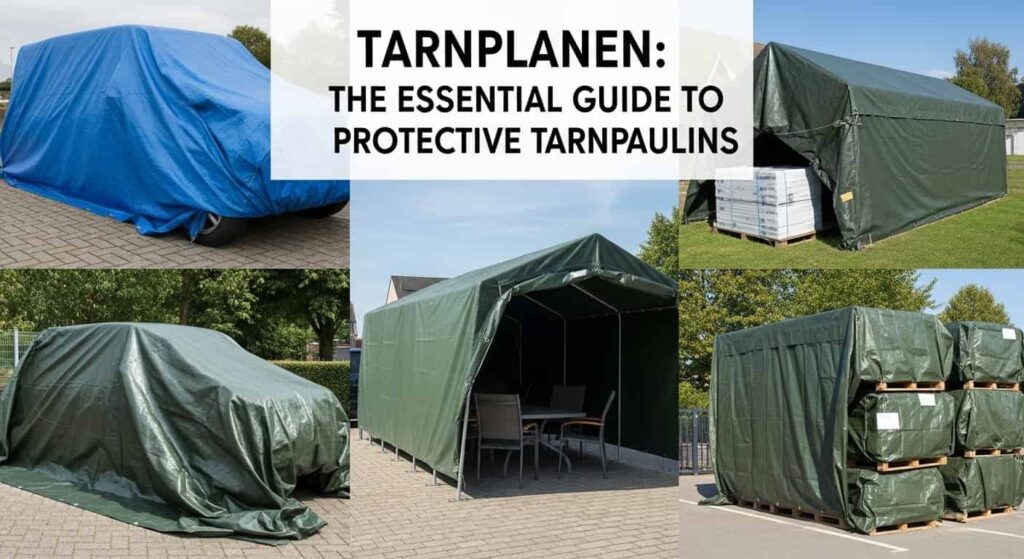
These tarps can be deployed over vehicles, garden furniture, construction sites, or outdoor storage areas, providing an affordable and reliable protective solution. Their ability to adapt to different surfaces and environments makes them indispensable for anyone looking to preserve the condition of valuable items.
Key Features of Tarnplanen
Understanding the main features of tarnplanen will help you select the right type for your specific needs. Some of the most important characteristics include:
- Durability: High-quality tarnplanen are made to withstand wear and tear, lasting for years even in harsh conditions.
- Waterproofing: Protection against rain and moisture is essential, especially for outdoor applications.
- UV Resistance: Some tarps have UV protection to prevent fading or degradation caused by prolonged sun exposure.
- Flexibility: Many tarps are lightweight and foldable, making storage and transport easier.
- Reinforced Edges and Grommets: These features allow secure fastening and reduce the risk of tearing.
Types of Tarnplanen
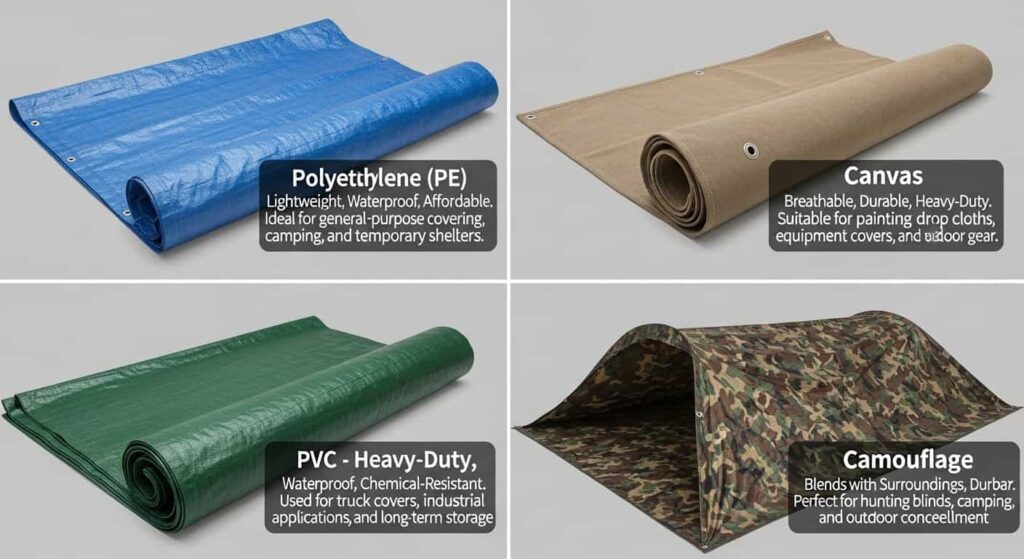
Tarnplanen come in various types, depending on the material, thickness, and intended application. Choosing the correct type ensures maximum protection and longevity.
1. Polyethylene Tarps
Polyethylene (PE) tarps are among the most common types of tarnplanen. They are lightweight, waterproof, and relatively inexpensive. PE tarps are ideal for short-term outdoor use, such as covering garden equipment or temporary construction areas.
2. Canvas Tarps
Canvas tarnplanen are made from natural cotton or polyester blends. They are more breathable than PE tarps, preventing moisture buildup underneath. Canvas tarps are preferred for items that require protection from sunlight while avoiding condensation damage.
3. PVC Tarps
PVC tarpaulins are heavy-duty and highly durable. They are resistant to tearing, UV rays, and harsh weather, making them suitable for long-term or industrial applications. PVC tarps are commonly used in warehouses, transport, or outdoor storage.
4. Camouflage Tarps
Camouflage tarnplanen are specially designed for military or hunting purposes. They blend into natural surroundings while offering the same protective qualities as regular tarps. These tarps are also popular for outdoor activities like camping.
Practical Uses of Tarnplanen
The versatility of tarnplanen makes them suitable for countless applications. Here are some common scenarios where they prove invaluable:
- Vehicle Protection: Cover cars, motorcycles, or bicycles to prevent damage from sun, rain, and dust.
- Outdoor Furniture: Protect garden furniture and equipment during the off-season or bad weather.
- Construction Sites: Shield building materials, scaffolding, and tools from harsh weather.
- Camping and Outdoor Activities: Serve as makeshift shelters, ground covers, or protection for tents.
- Storage Solutions: Keep items stored outdoors safe from moisture, dirt, and debris.
How to Choose the Right Tarnplanen
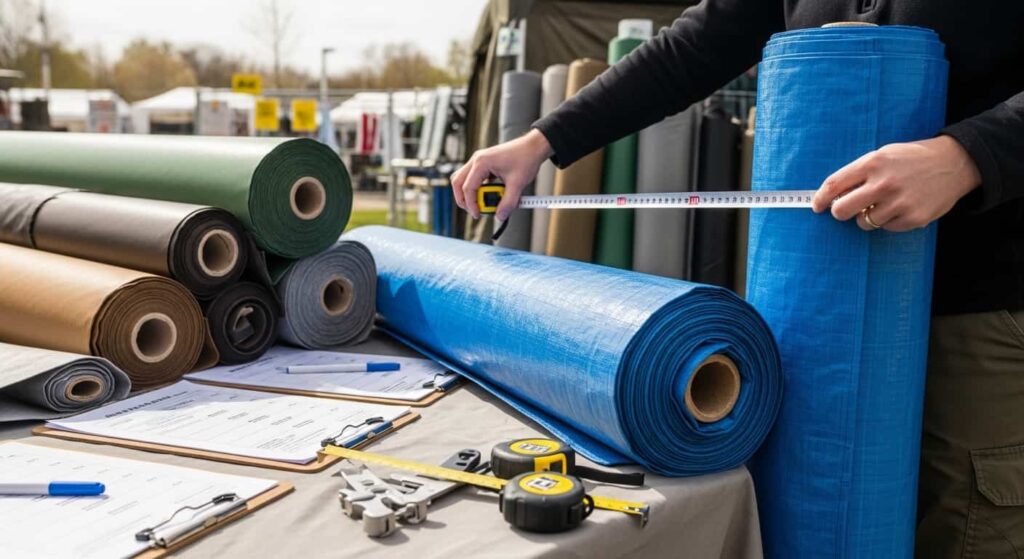
Selecting the perfect tarnplanen requires careful consideration of factors such as material, size, and weather resistance. Here’s a step-by-step approach:
- Determine the Purpose: Identify what you need to protect. Vehicles, equipment, or construction materials may require different tarp qualities.
- Choose the Material: Lightweight PE tarps for temporary use, canvas for breathable coverage, or PVC for heavy-duty protection.
- Measure Accurately: Ensure the tarp is slightly larger than the item to allow full coverage and proper fastening.
- Check for Reinforcements: Look for grommets and reinforced edges to ensure stability in windy or rough conditions.
- Consider Environmental Factors: UV protection and waterproofing are crucial for long-term outdoor use.
Tips for Maintaining Your Tarnplanen
Proper care extends the life of your tarnplanen. Consider these tips:
- Clean Regularly: Remove dirt, leaves, or debris with a soft brush or mild detergent.
- Dry Thoroughly: Avoid folding or storing damp tarps to prevent mold and mildew.
- Store Properly: Keep tarps in a dry, cool place when not in use.
- Inspect for Damage: Check for holes, tears, or weak grommets and repair promptly.
Advantages of Using Tarnplanen
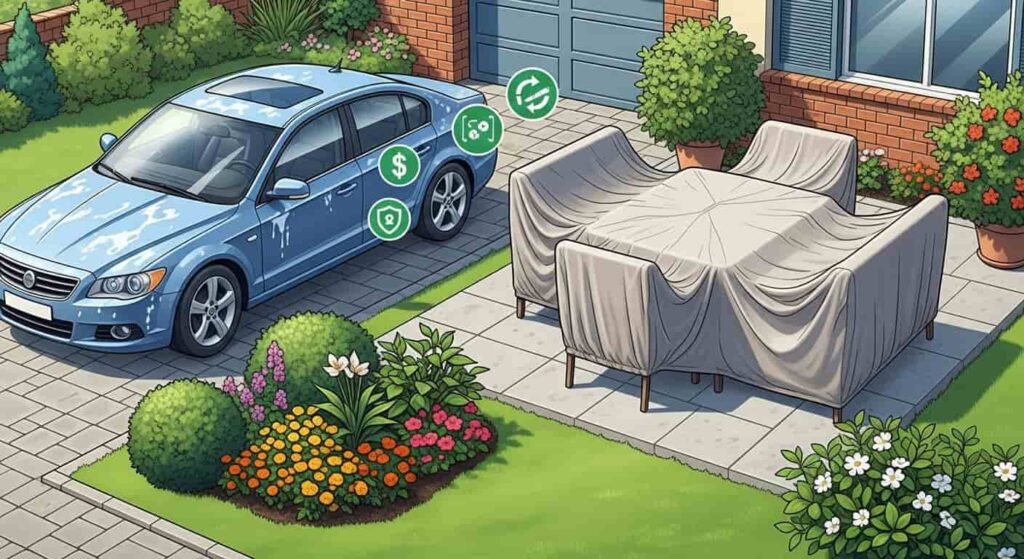
The benefits of using tarnplanen go beyond simple protection. Here are some reasons why investing in a quality tarp is worthwhile:
- Cost-Effective: Cheaper than building permanent protective structures.
- Versatile: Suitable for multiple applications, indoors and outdoors.
- Portable: Lightweight and easy to transport.
- Durable: With proper care, a good tarp can last for many years.
- Weather Resistant: Protects belongings from rain, sun, wind, and snow.
Common Misconceptions About Tarnplanen
Despite their popularity, some people have misconceptions about tarnplanen:
- “All tarps are the same.”
Not true. Material, thickness, and reinforcement significantly affect durability and performance. - “They only protect against rain.”
High-quality tarnplanen also offer UV protection, wind resistance, and dust prevention. - “They are only for industrial use.”
Tarps are widely used in residential and recreational settings as well.
Innovative Applications of Tarnplanen
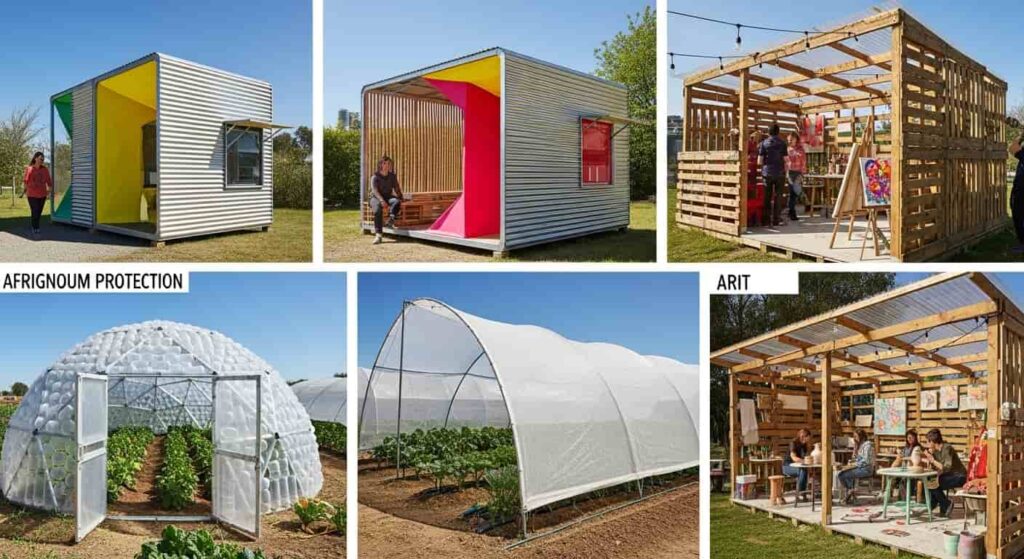
Beyond traditional uses, tarnplanen have found innovative applications:
- Temporary Shelters: During emergencies or outdoor events, tarps can serve as instant shelters.
- Agriculture: Protect crops, hay, or farm equipment from weather damage.
- Sports and Recreation: Used as ground covers for outdoor events or temporary stadium shelters.
- Creative Projects: Artists and DIY enthusiasts use tarps for painting, crafts, or workspace protection.
Environmental Considerations
Choosing eco-friendly tarnplanen can reduce environmental impact. Many modern tarps are made from recycled materials or are recyclable themselves. Opting for durable tarps minimizes waste and reduces the frequency of replacement.
Conclusion
Tarnplanen are a practical, versatile, and cost-effective solution for protecting items from environmental damage. By understanding their types, features, and applications, you can select the right tarp for your needs and ensure long-lasting protection. Whether for residential, industrial, or recreational purposes, investing in quality tarnplanen is a smart choice that delivers reliability and peace of mind.
From vehicle protection to construction sites, gardening, or emergency shelters, their versatility makes them an essential tool in everyday life. With proper selection, usage, and maintenance, tarnplanen offer durable protection that stands the test of time.