Introduction
In today’s fast-moving digital world, new words and trends often emerge from online conversations, memes, and communities. One such word that has gained attention is simpcity. At first glance, the term might sound unusual or even confusing. However, simpcity represents much more than just internet slang—it reflects an entire culture, mindset, and movement that has shaped how people interact online.
This article explores the concept of simpcity, its origins, meaning, and impact on digital spaces. We’ll break it down in simple terms, while also discussing its relevance in modern culture, relationships, and community building.
What Does Simpcity Mean?
To understand simpcity, we first need to unpack the word itself. It is a blend of “simp” and “city.”
- Simp is an internet term used to describe someone who shows excessive admiration or affection, often towards someone they are attracted to, sometimes to the point of self-deprecation.
- City symbolizes community, collective space, or a cultural hub.
Put together, simpcity refers to an online environment or collective identity where “simp” culture is recognized, shared, or even celebrated. It can be used both humorously and critically, depending on the context.
In short, simpcity is an online cultural space where discussions about admiration, relationships, and devotion—sometimes exaggerated—take place.
The Origins of Simpcity
Like many internet-born words, simpcity did not emerge from a single source. Instead, it spread organically through social media platforms such as Twitter, TikTok, Reddit, and Instagram.
- 2019–2020 Popularization: Around this time, the word “simp” exploded online, often used in memes to mock or tease people for being overly affectionate. With this trend, the playful idea of simpcity started appearing in captions and comments.
- Community Growth: People began creating dedicated pages and hashtags under the term, using simpcity as a way to connect with like-minded individuals.
- Cultural Shift: Rather than just an insult, simpcity evolved into a badge of humor, self-awareness, and even pride in certain contexts.
This transformation highlights how internet language can take on new meanings depending on how communities embrace it.
Why Simpcity Resonates with Online Users
The popularity of simpcity isn’t accidental. It connects with people because it reflects common experiences in relationships and digital expression.
1. Shared Humor
Simpcity thrives on memes, jokes, and playful exaggeration. Many people find comfort in laughing at their own behavior or recognizing it in others.
2. Relatable Experiences
Almost everyone has admired someone deeply—whether a celebrity, influencer, or someone they know personally. Simpcity allows people to express these feelings openly without judgment.
3. Online Identity
In an era where digital personas matter, simpcity gives users a sense of belonging. It’s like a virtual city where people connect through shared ideas, jokes, and content.
4. Self-Awareness
Unlike the negative connotation of “simp” in its early days, simpcity often represents a tongue-in-cheek acknowledgment of human emotions. People embrace it to show that admiration isn’t inherently bad.
The Culture of Simpcity
Simpcity has developed into more than a meme—it’s a culture. It comes with specific traits, behaviors, and symbols that make it unique.
Humor and Memes
- Simpcity thrives on internet humor.
- Memes about simping—whether lighthearted jokes about buying gifts or exaggerated scenarios of devotion—form the foundation of this culture.
Content Creation
- Many creators on TikTok and Instagram use simpcity as a theme in their videos.
- Posts range from relatable skits about unrequited love to discussions about modern dating dynamics.
Language and Identity
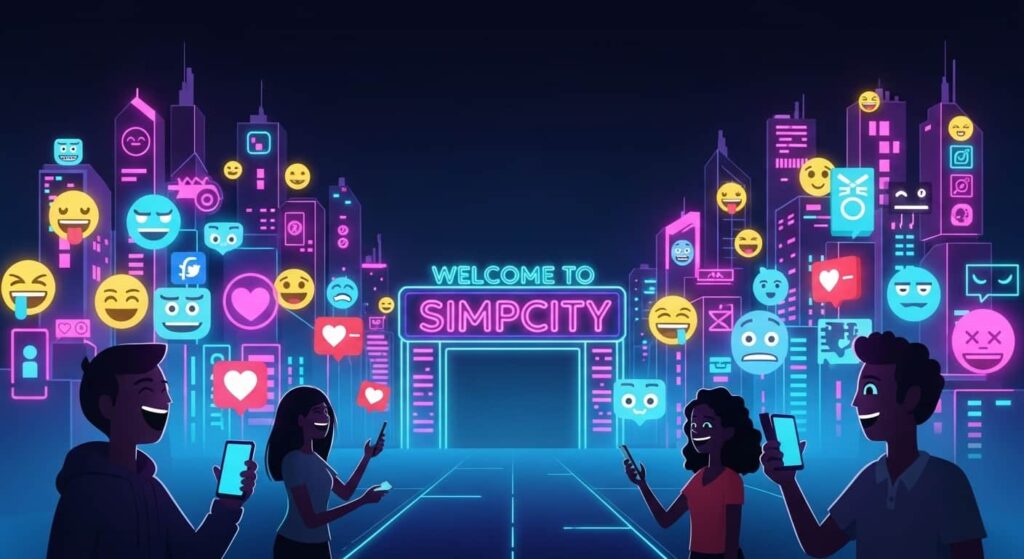
- Phrases like “Welcome to simpcity” or “I live in simpcity” are often used playfully.
- It has become part of digital language, shaping how people express relationships online.
Simpcity and Modern Relationships
One of the most fascinating aspects of simpcity is how it reflects changing attitudes toward relationships in the digital age.
Admiration Without Shame
In the past, being labeled a “simp” was often seen as embarrassing. But within simpcity, it’s reframed as something relatable and normal. Showing affection is no longer viewed as weakness—it’s part of human connection.
Parasocial Relationships
A large part of simpcity revolves around parasocial connections—where fans admire celebrities, influencers, or creators from afar. These one-sided relationships fuel discussions within simpcity communities.
Redefining Masculinity and Femininity
Simpcity also challenges traditional ideas of gender roles. Men are often targeted with the “simp” label, but within simpcity, it becomes clear that admiration and emotional expression are universal.
The Line Between Fun and Excess
While simpcity often highlights harmless humor, it also sparks conversations about balance. Healthy admiration is fine, but excessive devotion can sometimes lead to unhealthy dynamics.
Examples of Simpcity in Action
To better understand how simpcity plays out online, let’s look at a few common examples:
- Memes about Crushes: A meme showing someone walking miles in the rain just to deliver coffee to their crush, captioned “Welcome to simpcity.”
- Celebrity Admiration Posts: Fans declaring their loyalty to a singer or actor under simpcity hashtags.
- Humorous Community Pages: Accounts entirely dedicated to simpcity content, where users share jokes, videos, and relatable experiences.
These examples show how simpcity can be both lighthearted and reflective of deeper cultural patterns.
The Positive Side of Simpcity
Despite the teasing tone often attached to the word, simpcity has several positive aspects.
- Encourages Emotional Honesty: People become more open about their feelings of admiration.
- Creates Community: It builds a sense of belonging in digital spaces.
- Promotes Humor in Relationships: Simpcity softens the intensity of emotions by framing them in a humorous way.
- Challenges Toxic Stereotypes: It questions the idea that showing affection makes someone weak.
Criticism of Simpcity
Of course, not all views of simpcity are positive. Some criticisms include:
- Encouragement of Unhealthy Devotion: In some cases, it may normalize extreme behaviors.
- Potential Mockery: Even in jest, labeling someone a “simp” can sometimes shame genuine emotions.
- Shallow Connections: Critics argue that simpcity promotes surface-level admiration rather than deep, meaningful relationships.
These critiques highlight the importance of balance. While simpcity can be fun, it’s essential to recognize when it crosses into harmful patterns.
The Role of Social Media in Spreading Simpcity
Social media platforms have been the main driver behind the growth of simpcity.
- TikTok: Skits, dances, and lip-sync videos often use simpcity humor.
- Twitter/X: Trending hashtags like #simpcity help the term spread widely.
- Instagram: Meme pages regularly share simpcity content to millions of followers.
- Reddit: Dedicated communities analyze and joke about the phenomenon.
Without social media, simpcity would likely remain an obscure term. Instead, it has become a global conversation.
Simpcity as a Digital Movement
While it may seem like just a meme, simpcity has developed into a digital movement that reflects larger trends in society.
- The Rise of Internet Subcultures: Just like fandoms or niche communities, simpcity shows how people gather around shared humor.
- The Evolution of Language: Words like simpcity demonstrate how language evolves faster in online spaces than anywhere else.
- A Mirror to Society: Simpcity highlights how admiration, affection, and devotion remain central to human connection—even when expressed humorously.
Statistics and Facts on Online Communities
To understand the scale of phenomena like simpcity, consider these facts about digital communities:
- Over 62% of the global population uses social media (DataReportal, 2024).
- Memes are one of the most consumed forms of content online, with 77% of internet users sharing memes regularly.
- TikTok alone has over 1.7 billion users worldwide, making it a hotspot for cultural trends like simpcity.
- Research shows that parasocial relationships are common, with fans spending hours engaging with celebrity content.
These numbers explain why movements like simpcity can spread so rapidly and impact so many people.
How Simpcity Impacts Pop Culture
Simpcity has moved beyond the internet and into broader cultural discussions.
- Music and Entertainment: Some artists reference simp culture in their lyrics or interviews.
- Merchandise: Clothing, mugs, and stickers featuring “Welcome to Simpcity” slogans are widely available online.
- Mainstream Media: Even major outlets sometimes cover simp-related trends, highlighting its impact.
This crossover shows that simpcity isn’t just an internet niche—it’s becoming part of modern pop culture.
The Future of Simpcity
What lies ahead for simpcity? Like many internet trends, it may evolve, fade, or transform into something new. But given its cultural significance, some possibilities include:
- Deeper Integration with Pop Culture: More references in songs, shows, and movies.
- Expansion of Online Communities: Larger groups dedicated to simpcity discussions.
- Language Evolution: Simpcity may lead to new slang or phrases that capture the same ideas.
- Balance Between Humor and Awareness: The community may mature into a space that mixes fun with thoughtful discussion.
How to Navigate Simpcity as a User
If you’re interested in engaging with simpcity, here are some simple guidelines:
- Enjoy the Humor: Remember, simpcity is rooted in jokes and memes.
- Stay Balanced: Admiration is natural, but don’t let it overshadow your own self-worth.
- Engage Respectfully: Use simpcity as a way to connect with others, not to shame them.
- Create Content if You Like: Share your own experiences or memes under the simpcity theme.
By keeping these principles in mind, you can enjoy the culture without falling into unhealthy patterns.
Conclusion
Simpcity is more than just another fleeting internet trend. It’s a reflection of how people express admiration, affection, and humor in the digital age. From memes and jokes to deeper conversations about relationships and identity, simpcity captures an essential part of online life.
It shows us that emotions, even when exaggerated or playful, connect people across the globe. At the same time, it sparks important discussions about balance, identity, and the meaning of admiration in modern society.
Whether you laugh at the memes, embrace the community, or critique its downsides, one thing is certain: simpcity is here to remind us that human connection—even in its most humorous form—remains central in the digital world.