Introduction
In the intricate tapestry of the Japanese language, certain words encapsulate profound cultural insights. One such term is jyokyo (状況), often translated as “situation” or “circumstance.” However, its true essence extends far beyond these simple definitions.
What is Jyokyo?
At its core, jyokyo refers to the current state or condition of affairs. It’s not merely about isolated facts but encompasses the broader context in which events unfold. When someone in Japan inquires about your jyokyo, they’re seeking to understand the complete picture: your feelings, the environment, the challenges you’re facing, and the underlying dynamics at play.
This holistic approach underscores the Japanese emphasis on context and interconnectedness. It’s a reminder that every situation is influenced by a myriad of factors, and understanding these nuances is crucial for meaningful interactions.
The Linguistic Roots of Jyokyo
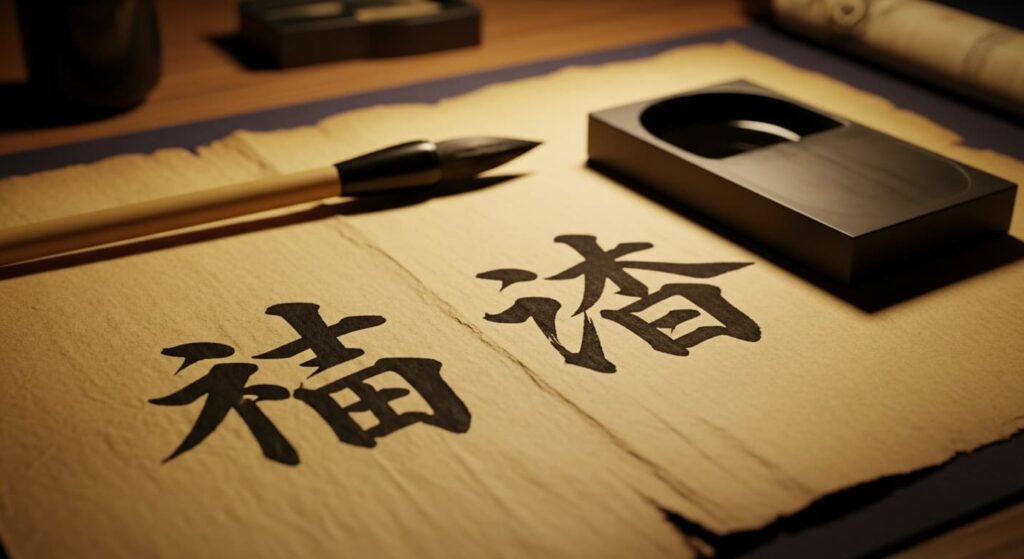
The term jyokyo is composed of two kanji characters:
- 状 (jō): Meaning “condition” or “form,” it denotes the outward appearance or state of something.
- 況 (kyō): Signifying “circumstance” or “situation,” it refers to the surrounding factors or broader context.
Together, these characters convey more than just a “situation”; they represent the interplay of various elements that shape our experiences and perceptions.
Jyokyo in Japanese Culture
In Japanese society, understanding jyokyo is paramount. It influences how individuals communicate, make decisions, and navigate social interactions. Recognizing the jyokyo allows one to act with sensitivity, ensuring that actions and words are appropriate to the context.
For instance, in a business setting, acknowledging the jyokyo can determine the success of negotiations. Being attuned to the mood of a meeting, the relationships between participants, and the external factors influencing the discussion can lead to more effective and harmonious outcomes.
The Philosophical Significance of Jyokyo

Beyond its practical applications, jyokyo embodies a philosophical outlook. Rooted in Zen Buddhism and Taoism, it emphasizes mindfulness and the awareness of the present moment. By focusing on the jyokyo, individuals cultivate a deeper understanding of their surroundings and their place within them.
This perspective encourages a balanced approach to life, where actions are in harmony with the environment and the people around us. It promotes a way of being that is both reflective and responsive, attuned to the subtle cues that define each moment.
Jyokyo in Everyday Life
In daily interactions, the concept of jyokyo manifests in various ways:
- Reading the Room: Sensing the atmosphere of a gathering and adjusting one’s behavior accordingly.
- Non-Verbal Communication: Paying attention to body language and facial expressions to gauge underlying emotions.
- Timing and Context: Recognizing the appropriateness of actions or words based on the current situation.
By embracing jyokyo, individuals can navigate social landscapes with grace and understanding, fostering connections that are genuine and considerate.
Conclusion
Jyokyo is more than just a word; it’s a lens through which the Japanese perceive and engage with the world. It teaches the importance of context, the value of mindfulness, and the interconnectedness of all things. In a globalized world, where interactions often transcend cultural boundaries, understanding concepts like jyokyo can bridge gaps and promote deeper, more meaningful connections.
By appreciating the depth of jyokyo, we can learn to approach situations with greater awareness and empathy, enriching our personal and professional relationships.