
Introduction
In a world that constantly evolves, new concepts, ideas, and practices emerge to help people navigate the complexities of modern life. One such intriguing concept that has gained attention recently is hormita. Although the term might sound unfamiliar to some, its essence holds deep meaning related to growth, balance, and adaptation. Hormita reflects a philosophy that intertwines personal development, resilience, and harmony in both emotional and physical well-being.
This article explores what hormita truly represents, how it influences human behavior and lifestyle, and why understanding it can contribute to a more meaningful, balanced life. Through practical examples, scientific insights, and cultural perspectives, we’ll uncover how this concept can become a powerful tool for personal transformation.
What Is Hormita?

At its core, hormita is about finding balance through challenge and adaptation. The word itself implies a process of growth that arises from resistance or stress — much like how a muscle strengthens when it is challenged through exercise. Hormita embodies the principle that controlled, manageable exposure to challenges can lead to improvement, resilience, and vitality.
While the term may sound abstract, its roots can be found in natural and biological systems. Nature itself thrives on the principle of hormita — from plants that grow stronger after enduring harsh weather to human immunity that strengthens after overcoming mild illnesses. This balance between challenge and recovery is the foundation of hormita.
The Concept Behind Hormita
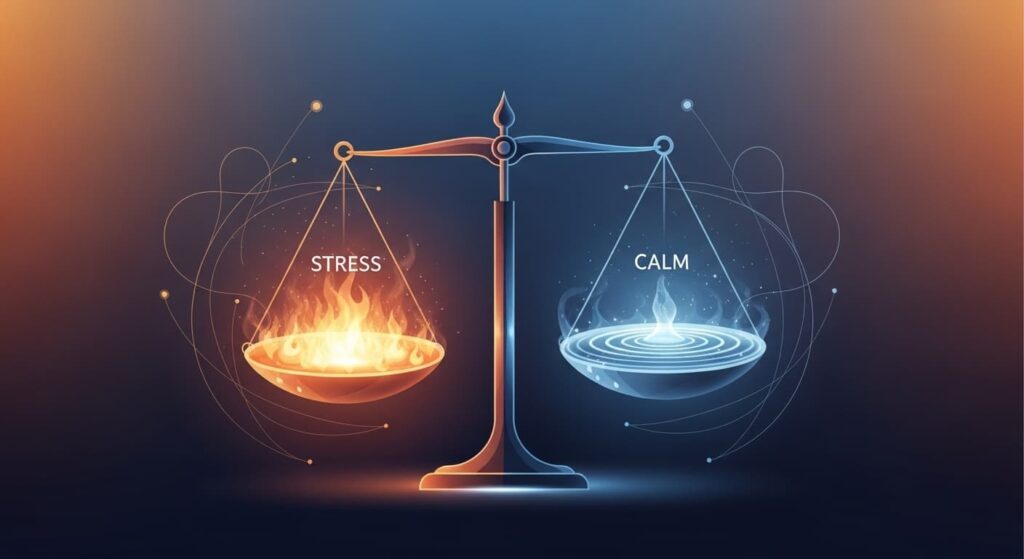
Hormita represents a delicate equilibrium — too little stress leads to stagnation, while too much can cause breakdown. The idea revolves around adaptive stress, which helps systems—whether biological, psychological, or environmental—become stronger over time.
In humans, hormita manifests in various forms:
- Physical hormita: The strengthening of the body through exercise, where controlled strain builds endurance and muscle.
- Emotional hormita: The ability to face life’s difficulties with courage, leading to mental fortitude and emotional intelligence.
- Social hormita: Learning to adapt and grow through interpersonal challenges and experiences.
The principle remains the same — by embracing manageable challenges rather than avoiding them, one cultivates resilience and strength.
How Hormita Works in the Human Body

The human body is a remarkable system designed to adapt. Hormita reflects this adaptability at both cellular and psychological levels.
When the body encounters mild stress — such as fasting, exercise, or temperature variation — it activates repair mechanisms that enhance its overall function. This process is seen in several biological responses:
- Exercise-Induced Hormita: Regular physical activity stresses muscles and tissues slightly, prompting the body to repair and strengthen them.
- Thermal Hormita: Controlled exposure to heat (like saunas) or cold (like ice baths) enhances metabolism and circulation.
- Nutritional Hormita: Periodic fasting or calorie restriction can stimulate cellular repair, improving longevity and metabolic balance.
Each example shows that small, positive stressors can yield long-term benefits if applied correctly.
Hormita and the Mind: Building Mental Strength

Beyond the body, hormita plays a crucial role in shaping mental resilience. In an age where comfort is often prioritized, many individuals unknowingly weaken their psychological endurance by avoiding discomfort. Hormita teaches that small doses of difficulty can build emotional toughness.
For instance:
- Facing daily challenges with patience strengthens confidence.
- Managing failure or rejection enhances adaptability.
- Practicing mindfulness during stress helps regulate emotional responses.
When applied consistently, hormita transforms how we perceive adversity. Instead of viewing discomfort as an obstacle, it becomes an opportunity for personal development.
Cultural Interpretations of Hormita
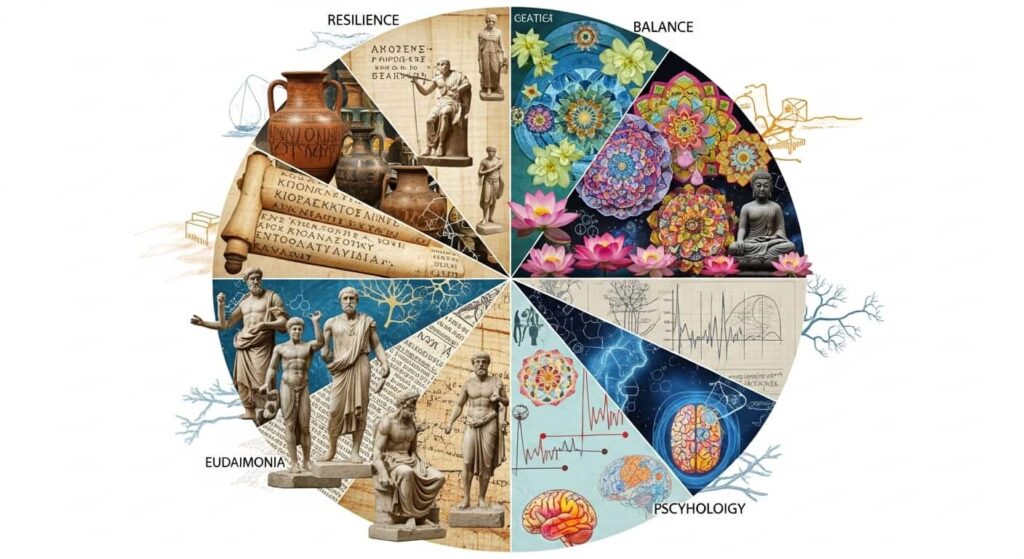
Throughout history, different cultures have embraced philosophies similar to hormita, even if under different names.
- In ancient Greece, philosophers like Heraclitus believed that struggle and opposition were necessary for progress.
- In Eastern traditions, practices such as meditation and fasting are rooted in hormita-like principles—embracing discomfort to achieve higher awareness.
- In modern psychology, resilience training, cognitive behavioral therapy, and exposure therapy mirror the same adaptive concept.
Each culture, in its own way, acknowledges that growth requires challenge. Hormita simply brings this universal truth into a modern context, highlighting its importance in both personal and societal well-being.
Scientific Foundations of Hormita

Scientific research supports the essence of hormita through the concept of hormesis—a biological phenomenon where mild stress enhances system performance. While hormesis is often discussed in biology and medicine, hormita extends this principle to lifestyle and psychology.
Studies have shown that:
- Mild oxidative stress can trigger antioxidant defenses, improving cellular health.
- Controlled fasting promotes autophagy, a process where cells remove damaged components.
- Moderate physical stress increases mitochondrial efficiency and energy production.
These findings affirm that hormita is not just a philosophical idea—it’s rooted in biological truth. The body, mind, and environment thrive under balanced stress.
Hormita in Everyday Life

Incorporating hormita into daily living doesn’t require radical change. It’s about integrating manageable challenges into your routine.
Here are simple examples of how hormita can shape your lifestyle:
1. Physical Wellness
- Take the stairs instead of the elevator.
- Engage in short, intense workouts instead of prolonged sedentary routines.
- Try contrast showers (alternating between hot and cold water).
2. Mental Growth
- Read complex material to stimulate your mind.
- Step out of your comfort zone in conversations or decision-making.
- Practice gratitude and mindfulness during difficult times.
3. Emotional Stability
- Face minor fears daily—like speaking in public or admitting mistakes.
- Learn to sit with uncomfortable emotions instead of avoiding them.
- Build patience by embracing slow, deliberate activities like gardening or journaling.
Each of these actions represents a form of hormita—small, intentional stress that leads to strength.
Why Hormita Matters in Modern Society

In our technology-driven world, comfort has become both a blessing and a trap. With everything accessible at the click of a button, people are often shielded from struggle. While convenience improves efficiency, it can also weaken the natural mechanisms that build resilience.
Hormita reminds us that discomfort is essential for evolution. It teaches balance between comfort and challenge. By integrating hormita into our lifestyles, we can restore lost harmony—physically, mentally, and socially.
Moreover, in workplaces and education, the principle of hormita encourages adaptive learning and innovation. When individuals face constructive challenges, they tend to perform better, solve problems creatively, and develop leadership qualities.
The Psychological Impact of Hormita

On a psychological level, hormita helps individuals redefine their relationship with stress. Instead of viewing stress as harmful, it’s seen as a tool for transformation.
1. Reducing Anxiety Through Exposure
Exposure to mild stress helps desensitize the brain to fear. This approach is often used in therapy to treat anxiety and phobias.
2. Increasing Motivation
When individuals overcome small challenges, they experience a sense of accomplishment, which fuels motivation for bigger goals.
3. Enhancing Self-Discipline
Practicing hormita strengthens mental discipline, helping people resist distractions and build consistency in habits.
This psychological shift leads to greater confidence, emotional regulation, and an optimistic outlook toward challenges.
Hormita and Environmental Adaptation

Interestingly, hormita extends beyond human biology and psychology—it applies to ecosystems as well. Nature demonstrates hormita through adaptation:
- Forests recover stronger after controlled fires.
- Animals evolve resilience after surviving harsh climates.
- Soil fertility increases when left to regenerate after stress.
These natural examples illustrate that stress and recovery cycles sustain balance and growth. By observing and applying this principle, humans can also design more sustainable lifestyles that align with natural rhythms.
Building a Hormita-Based Lifestyle

Creating a lifestyle guided by hormita doesn’t require extreme changes. It’s about embracing gradual, positive stress while maintaining recovery. Here’s how you can do it effectively:
1. Physical Dimension
- Practice intermittent fasting responsibly.
- Incorporate physical exercise that challenges your endurance.
- Prioritize rest and sleep for recovery.
2. Emotional Dimension
- Develop emotional intelligence by facing difficult conversations.
- Journal your thoughts to build self-awareness.
- Accept discomfort as a sign of growth, not weakness.
3. Social Dimension
- Seek feedback from others to grow.
- Surround yourself with people who challenge you positively.
- Contribute to communities that encourage personal improvement.
When all these dimensions align, hormita transforms from a concept into a lifestyle philosophy.
The Balance Between Challenge and Rest
One of the key lessons of hormita is that recovery is as important as challenge. Overexposure to stress can cause burnout, while too little challenge can lead to stagnation. The goal is to maintain an ongoing rhythm between action and rest.
- Challenge stimulates adaptation.
- Rest allows recovery and consolidation.
By alternating between these two, you create sustainable growth without exhaustion. This cycle mirrors natural patterns—day and night, work and relaxation, growth and stillness.
The Spiritual Dimension of Hormita

On a deeper level, hormita holds spiritual significance. It invites individuals to embrace life’s dualities — pain and joy, failure and success, loss and renewal. Through these experiences, one gains wisdom, patience, and compassion.
Spiritual hormita teaches acceptance — not passive resignation, but understanding that every challenge has meaning. It encourages gratitude for discomfort because it often leads to transformation.
This approach aligns with many spiritual teachings that emphasize growth through trials, reminding us that discomfort often precedes enlightenment.
Real-Life Applications of Hormita
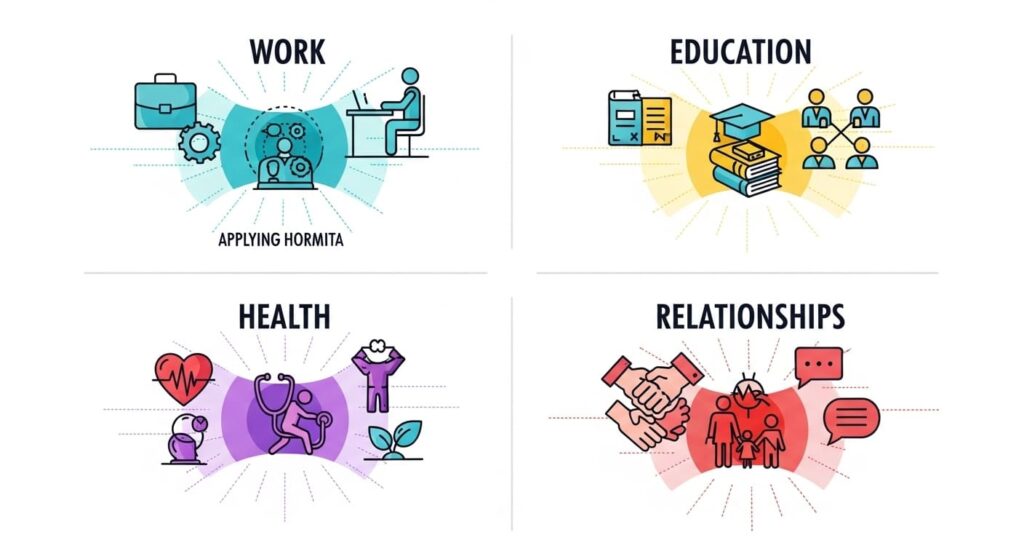
Let’s explore how the principle of hormita can transform different aspects of life:
1. In Health
Practicing controlled fasting, regular exercise, and balanced stress exposure can strengthen immunity and slow aging.
2. In Education
Challenging academic environments that encourage critical thinking foster deeper understanding and creativity.
3. In Work
Employees who are encouraged to take initiative and handle moderate stress develop leadership and problem-solving skills.
4. In Relationships
Couples and families that face and resolve conflicts constructively tend to build stronger emotional bonds.
Hormita’s essence lies in transformation through experience — every small challenge contributes to long-term growth.
Future Relevance of Hormita

As society becomes increasingly comfortable and automated, hormita will become even more relevant. It offers a reminder that resilience is built through experience, not avoidance.
In health science, hormita-inspired therapies are being explored for longevity and stress adaptation. In education, experiential learning models mirror its principles. In personal growth, it fosters self-awareness and confidence.
Ultimately, hormita represents a universal truth — growth is born from challenge.
Conclusion
Hormita is more than just a word—it’s a philosophy of living that embraces balance, adaptation, and growth through measured challenge. It teaches us to transform discomfort into development, turning ordinary experiences into opportunities for strength.
Whether applied to physical health, mental resilience, or emotional stability, hormita serves as a guiding principle for a fuller, stronger, and more meaningful life.
By understanding and practicing hormita, we align with nature’s timeless rhythm—challenge, adapt, recover, and grow. In doing so, we not only improve ourselves but also rediscover the natural harmony that sustains all life.