
Introduction
When you encounter the word tonghou, you might feel the urge to pause and reflect. It’s not a term used in everyday conversation, yet it carries a richness of meaning that invites deeper exploration.
In this article we’ll unpack what tonghou can represent, look at its origins, how it’s used in various contexts, and why it remains relevant today. Our aim is to explain tonghou in clear, straightforward language — offering insight at an accessible level.
What Is Tonghou?
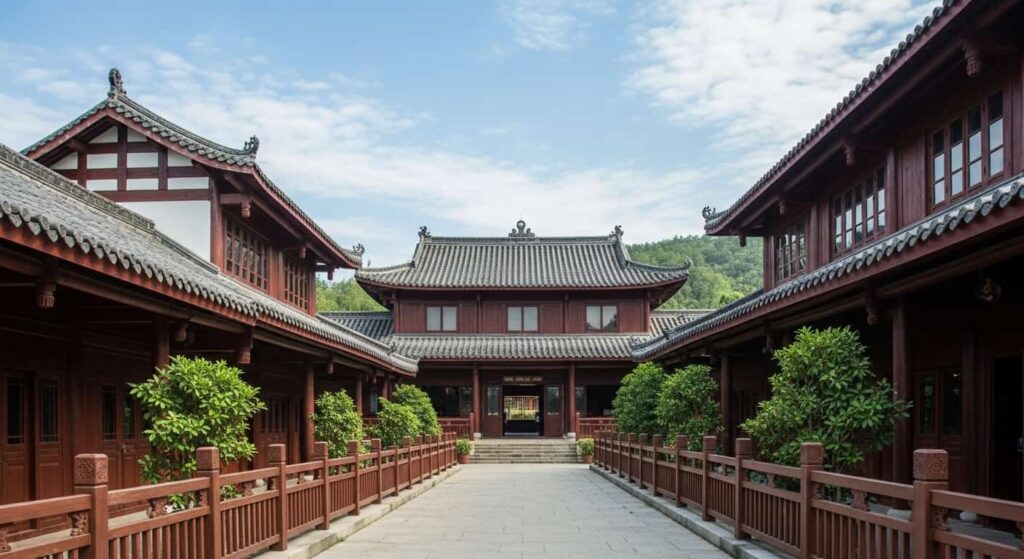
At its core, tonghou is a word that appears to be rooted in traditional culture, and it often conveys themes of connection, waiting, transition, or heritage. While there is no single universally agreed definition, many researchers and writers suggest that tonghou evokes:
- A space or moment of transition — a passage from one state to another.
- A connection between people or ideas, often built on shared history or values.
- A sense of waiting or becoming, rather than immediate arrival.
- A link to tradition or heritage, rather than mere novelty.
To put it simply: tonghou is more than just a physical place. It’s also a concept—a “bridge” of sorts—between times, roles, or ideas.
Why the Word Matters
- It encourages us to think about what comes between two states: for example before and after, inside and outside, old and new.
- It reminds us of the value of waiting, preparation, and reflection—rather than only action.
- It invites appreciation of tradition, but also shows how tradition can adapt in modern times.
By exploring tonghou, we gain a richer understanding of cultural processes and how individuals relate to heritage, change and identity.
Historical Roots of Tonghou
To understand tonghou more fully, we can look at how it has been interpreted historically. While it may not always appear in mainstream history books, its conceptual roots appear in spaces of ritual, architecture and social life.
Architectural and Social Role
In traditional settings, functions akin to tonghou often appeared in homes, court buildings or communal halls in East Asia:
- A rear hall or side-chamber where elders waited, guests paused, or rituals occurred.
- A space adjacent to a main hall, yet separate enough to carry a different kind of meaning—often quieter, more intimate.
- A location for reflection, not purely for display or ceremony.
Over time, what began as a specific architectural feature moved into metaphorical terrain: tonghou came to represent the idea of the “in-between” or transitional space in social life.
Cultural and Familial Layers
Within families or local communities, places like those described above carried a distinct social role:
- They were spaces where respect and hierarchy met hospitality and gathering.
- Elders might meet younger members, ancestral rites might occur, and family decisions might be discussed.
- The sense of tonghou here was not simply “waiting room” but “space of engagement”—where past, present and future met.
In these ways, the concept of tonghou was embedded in everyday life, helping shape how people related to each other, time, and tradition.
Modern Interpretations of Tonghou
While tonghou draws on tradition, its relevance today shows how older ideas can live on in new forms. Let’s explore a few of the different ways tonghou is interpreted in contemporary society.
In Branding, Identity and Naming
Some organisations and creative ventures use names like tonghou (or similar culturally rich terms) to convey a sense of:
- Heritage and trust
- Connection across time
- Depth and purpose
For example, an educational institution might adopt a name like tonghou to signal commitment to tradition and continuity. The term thus becomes more than word—it becomes brand, identity and story.
In Digital Culture and Diaspora Communities
In a globalised world, where people often move or live far from their cultural roots, tonghou becomes a concept of “keeping the link alive”:
- In online forums, family genealogies, and heritage groups, tonghou-like spaces (physical or virtual) help maintain cultural continuity.
- For diaspora communities, tonghou may represent the “corner” of home that you carry with you: a memory, a ritual, a phrase, a name.
- In digital media, the idea of tonghou can become a metaphor for the transition zone between offline and online, home and abroad.
In Architecture and Design
Designers and urban thinkers increasingly recognise the importance of intermediate spaces—areas where people can pause, reflect, transition. In that light:
- Lobbies, waiting rooms, side-corridors and meditation rooms can be seen as modern manifestations of tonghou.
- These spaces help people shift from one mode to another: from public to private, from busy to calm, from incoming to outgoing.
- Recognising this helps create built environments that support well-being, clarity and restfulness.
Key Aspects of Tonghou: Breaking It Down
To get a clear view of tonghou, let’s break the concept into key aspects. Each of these helps us appreciate how tonghou functions in various domains.
1. Transition and Liminality
- Tonghou often marks a threshold: the place between what has been and what will be.
- It suggests that transformation is not sudden but involves a pause, a reflection, a shift.
- Example: Before a formal ceremony begins, guests might gather in a lounge or side-room—this could be regarded as a tonghou-type space.
2. Connection and Continuity
- It implies linkage: connecting past to present, people to people, ideas to practices.
- By using the term tonghou, we acknowledge that heritage and memory matter.
- Example: A family naming a space or tradition “Tonghou Room” to emphasize that connection across generations.
3. Waiting and Preparation
- Unlike action-oriented spaces, tonghou emphasizes preparation, waiting, intentional stillness.
- It says: not everything needs immediate resolution. Reflection is part of the process.
- Example: An executive lounge where decisions are prepared before meeting—serves a similar psychological function as tonghou.
4. Heritage, Memory and Identity
- The term is anchored in cultural memory—how one relates to ancestors, traditions, values.
- Recognising tonghou is a way of recognising that identity often stems from more than the present moment.
- Example: A diaspora community creates a “Tonghou Gathering” to celebrate heritage and maintain cultural practices.
5. Adaptation and Relevance
- While rooted in tradition, tonghou remains relevant because it adapts.
- Its conceptual power lies in showing how older forms can be meaningful in modern contexts.
- Example: Using tonghou principles in office design to create “pause zones” for employees.
Why Tonghou Matters Today
You may wonder: Why should I care about tonghou? What difference does it make? Here are a few reasons why the concept matters in our world.
1. Navigating Change
In a world of rapid change, tonghou reminds us that transitions are real and need space. Instead of leaping from one state to another, having a tonghou-mindset allows:
- Time for adjustment
- Reflection on what was
- Preparation for what will be
This approach can reduce stress and improve clarity.
2. Building Meaningful Spaces
Whether physical (homes, offices) or metaphorical (rituals, life stages), embedding tonghou-type spaces helps:
- People feel grounded
- Traditions feel alive
- Contexts feel more human
Practically, that’s important in design, architecture, education, community planning.
3. Sustaining Cultural Identity
For communities, especially those dispersed geographically, tonghou gives a framework to carry identity forward:
- It reminds individuals that heritage isn’t only past—it can be living, adaptable.
- It offers an anchor amid change.
- It encourages intergenerational dialogue and continuity.
4. Enhancing Emotional Well-being
In psychological terms, tonghou offers solitude or shared pause. Some benefits:
- It gives space to process rather than simply react.
- It provides a sense of order and sequence—we move through phases, rather than jumping abruptly.
- It helps people feel rooted, which can foster stability in uncertain times.
5. Improving Design and Experience
From architecture to software, recognising the value of transitional spaces means:
- Better user experiences
- More thoughtful flow between zones
- Enhanced capacity for introspection and transition
For example, when designing a new workspace, including a “tipping point” zone (a tonghou zone) can improve productivity and morale.
Practical Examples of Tonghou in Action
To bring the concept into real-life view, here are some practical examples of how one might see or use tonghou in different settings.
Example A: Home and Family
Imagine a home with a small veranda or side-room specifically used for reflection, family storytelling, or waiting before a family event. You might call that area the tonghou space. It allows:
- Elders to share memories
- Younger members to listen and absorb
- Transition between everyday life and ceremonial life
Example B: Corporate Environment
In a modern office, there might be a lounge or “soft waiting area” before entering a board room. If we view that function through the lens of tonghou, its purpose becomes clearer:
- It’s a buffer between casual workspace and formal meeting
- It allows mental preparation
- It invites informal connection
Example C: Cultural or Community Event
Consider a cultural centre that holds a pre-event gathering in a smaller hall before the main performance. That smaller hall serves as a tonghou zone: guests move from arrival → gathering zone → main hall. The progression supports:
- Social engagement
- Transition of mindset
- A rooted sense of ceremony
Example D: Digital and Virtual Space
In the online world, you might enter a “waiting room” before a webinar or virtual conference. When we apply the tonghou concept:
- The virtual lobby isn’t just waiting—it’s preparation and connection
- It gives participants a moment to shift mind-state
- It helps build communal tone before the core session
How to Apply the Tonghou Concept in Your Life

Here are a few suggestions if you want to bring the idea of tonghou into your personal or professional life. These are simple, practical ways to use the concept as a tool for better flow and deeper meaning.
1. Create a Transitional Space
In your home or workspace:
- Dedicate a corner or room as your “pause zone” — not fully public, not fully private.
- Use it for quiet reflection, reading, planning.
- Recognise it as a tonghou space: it doesn’t need heavy decoration, but it needs purpose.
2. Build Rituals of Transition
Before major meetings, events or life changes:
- Pause for 5–10 minutes: reflect on what was, what will be.
- Use a tonghou mindset: you’re not yet in the event, but you’re preparing.
- Consider elements like soft lighting, gentle music, or a few deep breaths to signify transition.
3. Honour Heritage and Continuity
Whether as an individual or part of a community:
- Think of tonghou as a bridge between past and present.
- Ask: How does this thing I’m doing connect to what came before?
- Create opportunities for story-sharing, mentor-mentee exchanges, heritage classes.
4. Design Mindfully
If you’re designing a space, event or digital interface:
- Consider where the “in-between” zones are.
- Acknowledge that people need time and space to shift mind-state.
- In digital design: welcome screens, pre-meeting lobbies, waiting rooms are tonghou zones.
5. Embrace the Pause
Perhaps simplest of all:
- Recognise that not all moments demand immediate action.
- Give yourself permission to wait, to reflect, to prepare.
- That pause is not wasted time—it is tonghou time: formative, quiet, potent.
The Future of Tonghou – Evolving Relevance
Looking ahead, the concept of tonghou seems increasingly relevant in several ways:
- In urban living, as people seek spaces that are not just functional but restful, transitional zones (quiet corners, green spaces) will become more important.
- In digital culture, where screens dominate, we’ll need virtual tonghou spaces: apps, platforms or interfaces that allow soft entry, pause and reflection.
- In global diaspora and multicultural societies, concepts like tonghou help maintain cultural continuity, offering symbolic or literal spaces tied to identity.
- In education and workplace design, the emphasis on wellbeing, flow and mental health will promote designs that honour the in-between—not just starting and finishing.
In all these, tonghou serves as a lens for making sense of change, connecting the dots, and giving value to what happens “in between”.
Conclusion
The concept of tonghou beautifully captures the importance of transition, reflection, and connection in a world that often rushes from one moment to the next. It reminds us that growth doesn’t happen only in action — it happens in the spaces between actions. Whether viewed as a physical room, a cultural tradition, or a personal mindset, tonghou teaches us to value pauses, respect heritage, and prepare thoughtfully for what comes next.
Incorporating the spirit of tonghou into modern life means creating balance — between old and new, stillness and movement, individuality and community. It encourages a rhythm of living that is both grounded and forward-looking. By embracing tonghou, we learn that waiting can be wise, transition can be sacred, and connection across time and place can give life its richest meaning.