Introduction
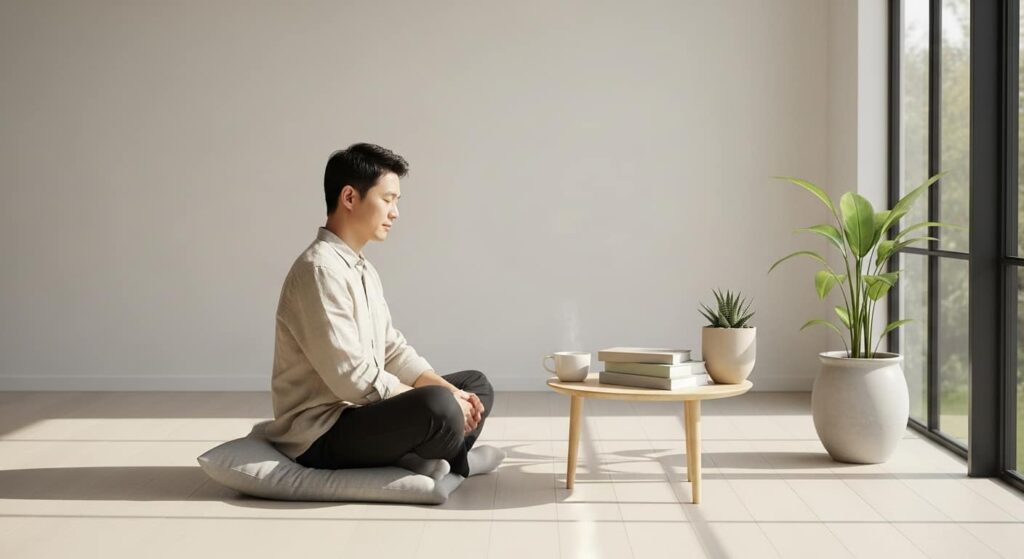
In a world overflowing with distractions, noise, and endless demands, simpciry has become more than just a choice—it’s a form of strength. Though the word “simpciry” might sound unusual at first, it captures the essence of what many are striving for today: a balanced, uncluttered, and intentional way of living.
At its core, simpciry is about removing the unnecessary to make room for what truly matters. It’s not just about having fewer things—it’s about creating space for peace, clarity, and genuine happiness. Whether it’s in our homes, our minds, or our relationships, simpciry can help us reconnect with a more authentic way of being.
The Meaning Behind Simpciry

Simpciry goes beyond minimalism or organization. It’s a mindset—a deliberate approach to life that values clarity over complexity, presence over perfection, and purpose over possessions.
People often confuse simplicity with limitation, but simpciry is actually about abundance—the abundance of time, focus, and freedom that comes when we let go of what doesn’t serve us. It’s about decluttering the noise of life so that we can hear our own thoughts again.
When practiced sincerely, simpciry helps us find calm in the chaos, direction in the confusion, and peace in the noise.
Why the World Needs Simpciry Now More Than Ever
Modern life has become busier than ever. Studies show that the average person is exposed to more than 6,000 advertisements per day, checks their phone over 150 times daily, and spends more time multitasking than ever before. Amid this constant stimulation, stress, burnout, and disconnection have become common problems.
Simpciry offers a gentle but powerful solution. By embracing simpciry, we take control back from the chaos. We decide what deserves our energy and what doesn’t. This conscious filtering allows us to create more meaningful experiences, improve our mental health, and reconnect with what truly matters.
The Philosophy of Simpciry
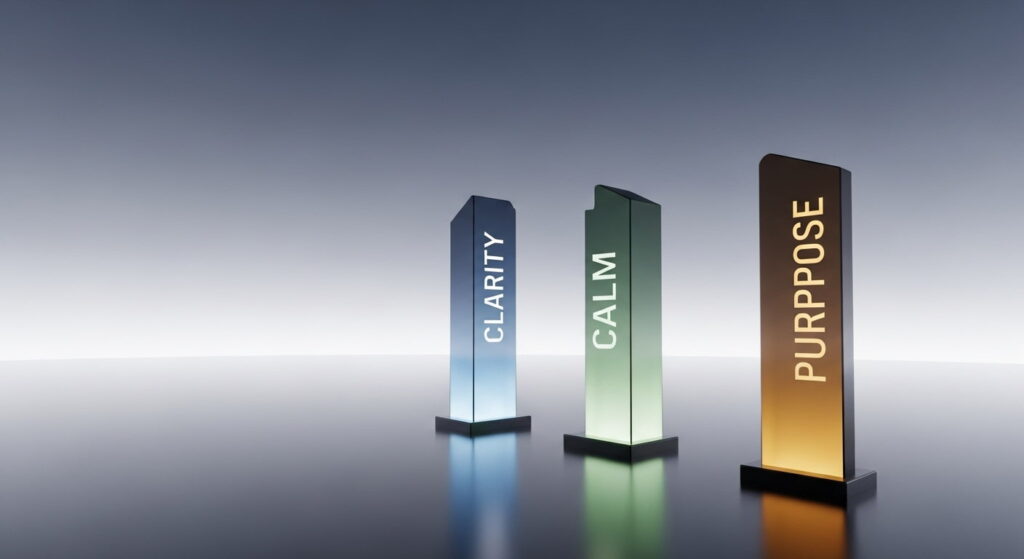
The philosophy of simpciry is built on three foundational pillars: clarity, calm, and purpose.
- Clarity: Simpciry allows us to see things as they are, without the clutter of distractions.
- Calm: When we simplify, our mind and environment become quieter, creating space for peace.
- Purpose: Through simpciry, we can focus on what truly aligns with our values and goals.
This philosophy extends to every part of life—from how we decorate our homes to how we manage our time and even how we communicate with others.
Simpciry in Daily Life

Applying simpciry doesn’t require drastic changes. It’s about making small, intentional decisions every day. Here’s how simpciry can naturally weave into different areas of life:
1. In Your Home
A cluttered home can create a cluttered mind. Practicing simpciry in your living space means surrounding yourself only with items that bring joy, function, or comfort.
Start with one room at a time. Let go of things that don’t add value to your life. You’ll notice that as your environment clears, your thoughts become lighter too.
2. In Your Schedule
Most people today feel like they’re racing against time. But often, the problem isn’t the lack of time—it’s the overfilling of it. Simpciry encourages saying no to unnecessary commitments and yes to the things that align with your values.
A simple schedule leads to more focus and less stress. You’ll find yourself being more present in each moment rather than constantly rushing to the next.
3. In Your Mind
Mental clutter—worries, regrets, and distractions—can weigh us down. Through simpciry, we learn to focus on the present. Practices like journaling, meditation, or simply pausing to breathe can help clear the mental noise.
4. In Your Relationships
Relationships flourish when we bring honesty, attention, and care. Simpciry in relationships means removing pretense and focusing on genuine connection. It’s about quality over quantity—valuing a few deep relationships over many shallow ones.
The Psychological Benefits of Simpciry

Modern psychology supports the idea that a simplified life leads to greater well-being. Researchers have found that people who live more intentionally tend to experience:
- Reduced stress and anxiety due to fewer distractions and demands.
- Improved focus from clearer mental and physical spaces.
- Greater happiness as they align their actions with their values.
- Better relationships from more meaningful communication and time spent with loved ones.
In essence, simpciry is not just about living with less—it’s about living with more purpose and joy.
Simpciry and Emotional Well-Being

Emotional well-being thrives in environments of balance and calm. Simpciry nurtures these conditions by teaching us to slow down, reflect, and appreciate what’s already around us.
When we’re constantly chasing more—more possessions, more success, more validation—we often overlook the beauty of what we already have. Simpciry helps us rediscover gratitude.
By focusing on the essentials, we gain emotional resilience. We stop reacting to every small disturbance and start responding with mindfulness.
The Spiritual Dimension of Simpciry

Many ancient philosophies and religions have long embraced the value of simple living. From Buddhist mindfulness to Stoic moderation, simpciry has always been seen as a path toward enlightenment and peace.
Spiritually, simpciry means finding contentment not in external possessions but in internal stillness. It’s a quiet recognition that happiness doesn’t come from what we own—it comes from how we live and how we perceive life.
Practicing simpciry can also bring a sense of connection—to nature, to others, and to the self. When we strip away the unnecessary, what remains is authenticity, presence, and purpose.
Simpciry in the Modern Workplace

Workplaces are often filled with complexity—emails, meetings, multitasking, and constant pressure. Applying simpciry at work can make a huge difference in productivity and satisfaction.
Here are some ways to bring simpciry into your professional life:
- Focus on one task at a time. Multitasking might seem efficient, but it often leads to mistakes and mental fatigue.
- Declutter your workspace. A clean desk promotes a clear mind.
- Prioritize tasks. Identify what truly moves your goals forward and eliminate what doesn’t.
- Set boundaries. Learn to unplug and protect your personal time.
Employees who embrace simpciry often experience improved concentration, creativity, and overall job satisfaction.
Simpciry and Technology
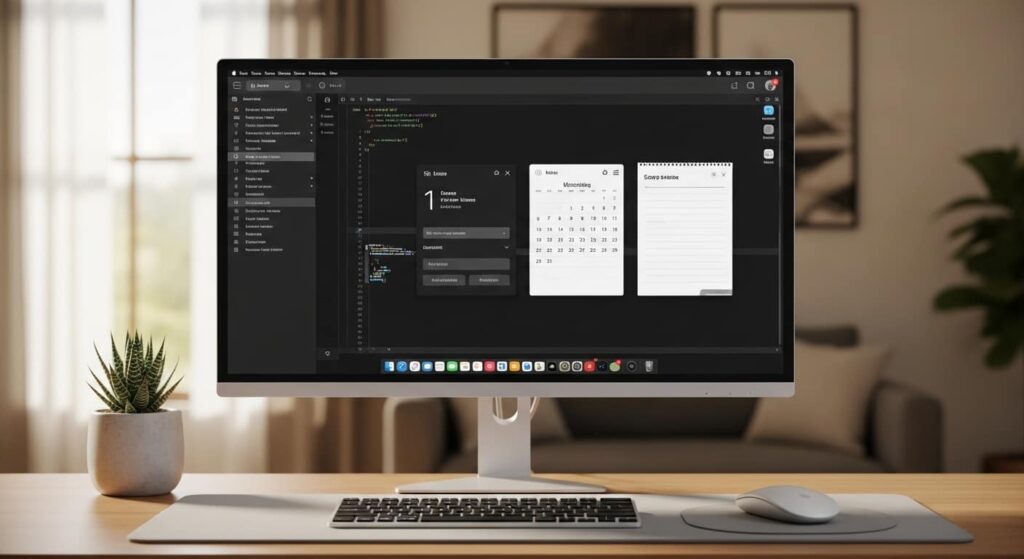
Technology is both a blessing and a burden. While it connects us globally, it can also overwhelm us with constant notifications, updates, and digital clutter.
Simpciry invites us to use technology intentionally. This means:
- Turning off unnecessary notifications.
- Limiting screen time.
- Decluttering digital spaces—emails, files, and apps.
- Using tools that genuinely enhance productivity and creativity.
Digital simpciry helps restore balance between the virtual and the real world, giving us back our time and attention.
Simpciry and the Environment
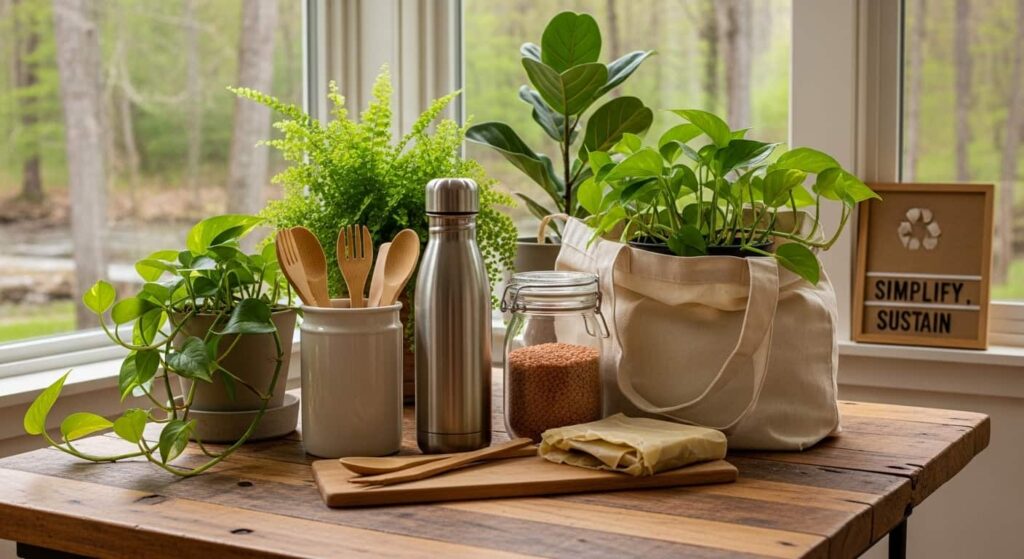
Simpciry is also closely tied to sustainability. When we live simply, we consume less, waste less, and contribute less to pollution.
By buying only what we need and choosing quality over quantity, we naturally reduce our environmental footprint. Simpciry encourages conscious consumption—supporting products that are durable, ethical, and eco-friendly.
In this way, simpciry becomes not just a personal philosophy but a collective responsibility toward the planet.
The Beauty of Simpciry in Design
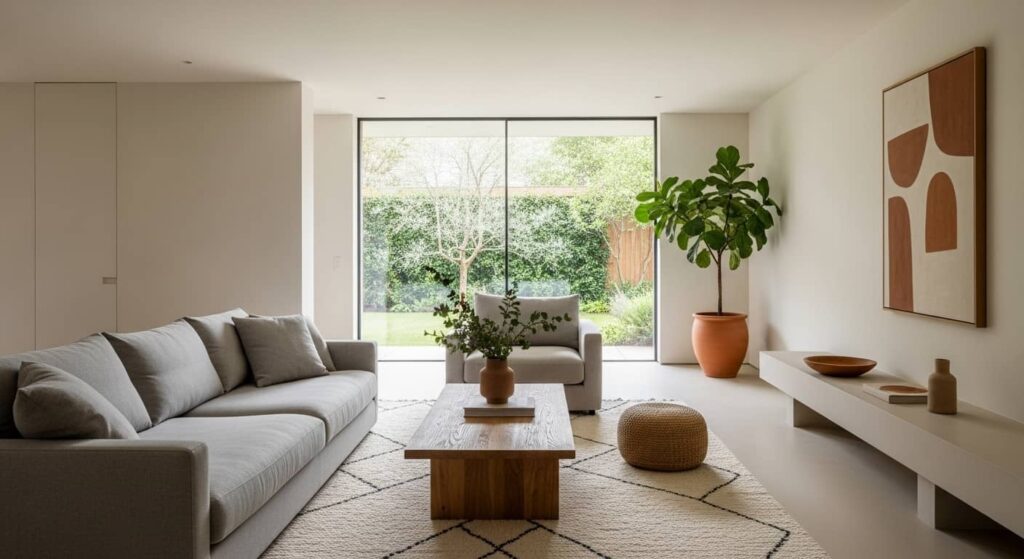
Design, whether in fashion, architecture, or art, often finds strength in simplicity. The clean lines of minimalistic spaces, the harmony of balanced colors, and the elegance of uncluttered form—all reflect the power of simpciry.
In design, simpciry enhances usability and emotional comfort. A well-designed, simple space allows people to feel calm, focused, and inspired.
As Leonardo da Vinci once said, “Simplicity is the ultimate sophistication.” Simpciry, in every creative form, celebrates clarity and beauty through restraint.
How to Practice Simpciry Every Day
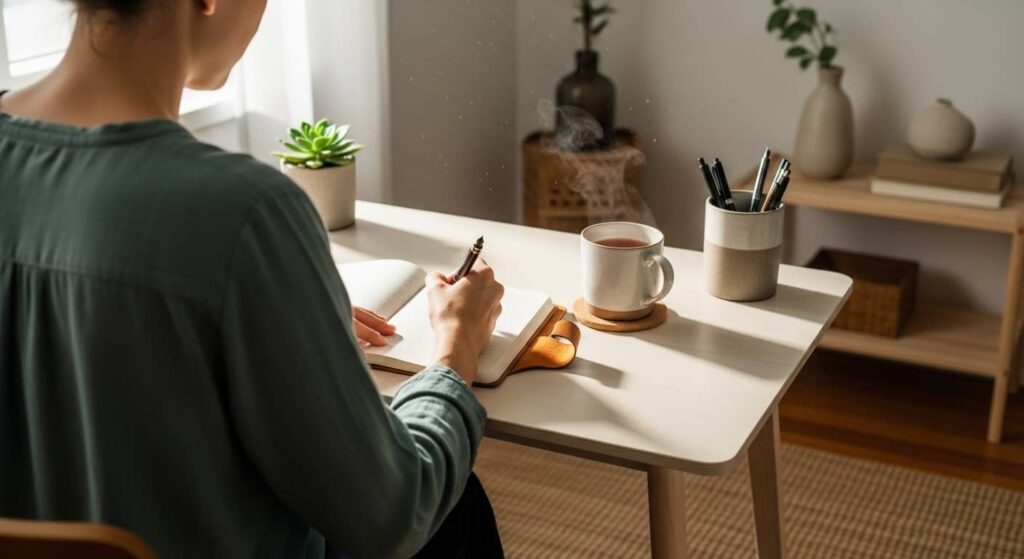
Simpciry doesn’t happen overnight—it’s a lifelong journey of intentional choices. Here are small steps that can help you start:
- Declutter one space each week.
Whether it’s your desk, closet, or phone, start small and stay consistent. - Prioritize what matters most.
Ask yourself: does this add value or drain energy? - Slow down.
Take time to breathe, walk, or simply sit without doing anything. - Be intentional with consumption.
Buy less but better. Choose experiences over possessions. - Reflect regularly.
Journaling or meditation can help align your life with the principles of simpciry.
Challenges in Living with Simpciry

Embracing simpciry isn’t always easy. The modern world rewards busyness and excess. Choosing a simpler path may feel like swimming against the current.
Some common challenges include:
- Pressure to keep up with societal expectations.
- Difficulty letting go of emotional attachments to material things.
- Fear of missing out (FOMO).
- Habitual overcommitment.
Overcoming these challenges requires patience and self-compassion. Remember that simpciry isn’t about perfection—it’s about progress. Every small step counts.
The Future of Simpciry

As technology evolves and life grows more complex, the movement toward simpciry will only grow stronger. People around the world are rediscovering the value of slowing down, owning less, and living more mindfully.
Companies are embracing simpler designs, cities are promoting sustainable lifestyles, and individuals are prioritizing well-being over wealth. Simpciry is not just a personal trend—it’s becoming a cultural shift.
This change reflects a deeper truth: when we live with simpciry, we live with more awareness, gratitude, and purpose.
Conclusion
Simpciry is not about depriving yourself—it’s about liberating yourself. It’s the art of focusing on what truly matters, letting go of what doesn’t, and finding joy in the essentials.
In a fast-paced world, simpciry reminds us to pause, breathe, and reconnect—with ourselves, with others, and with life itself.
By embracing simpciry, we make room for clarity instead of confusion, peace instead of pressure, and meaning instead of noise. It’s a journey worth taking—not because it’s easy, but because it leads to a richer, more fulfilling life.